Your AI innovation, live in front of over 1000 senior pharma decision-makers, biotech investors, and value chain leaders.
Scroll down to meet the six finalists for AIDDD 2026.
)
October 27-29, 2026
Boston Marriott Copley Place, Boston
)
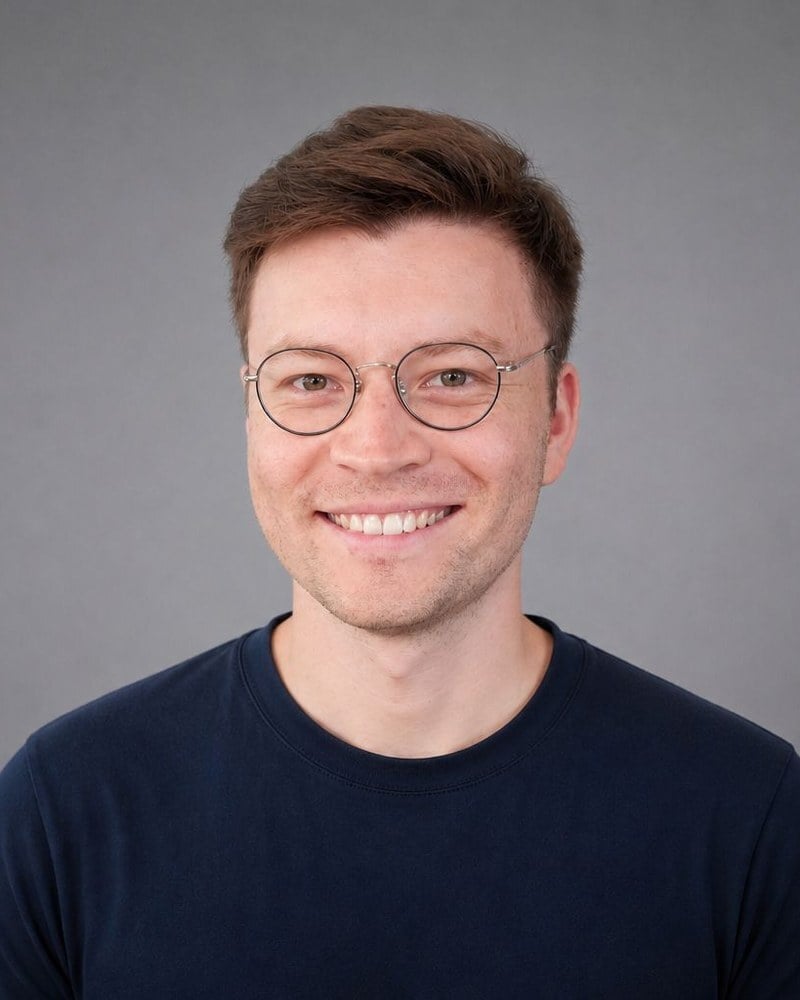
 Artificial Humans
Co-founder & CEO, Artificial Humans
Artificial Humans is building the ecosystem for superintelligence to test and improve medicines. Some of the most successful drugs in history were accidents. Despite decades of progress, we still struggle to predict what medicines will actually do in humans. Artificial Humans is building a world model that simulates drug response across 1010 virtual patients, verified using living multi-organ tissue on a chip. This enables superintelligence to find novel drugs that cure our most pressing diseases. Our alpha model already outperforms state-of-the-art approaches at 90% accuracy, and we’re working with biotechs and big pharma while building alongside senior leaders from AZ, J&J, AbbVie, Recursion, Tempus, Calico and others.
Daniel Yamamoto is Co-founder and CEO of Artificial Humans. He has spent approximately 10 years as an experimental biologist, beginning in early-stage antibody drug discovery at CRUK-AstraZeneca. He later completed an MRes and PhD in Stem Cell Biology at the University of Cambridge, with research spanning synthetic human embryo models, liver development, and brain development, and published in journals including Nature. He is joined by co-founder Kyo Mangold, an AI and robotics engineer trained at ETH Zurich with experience building production-scale AI and automation systems across J&J and Fortune 500 companies.
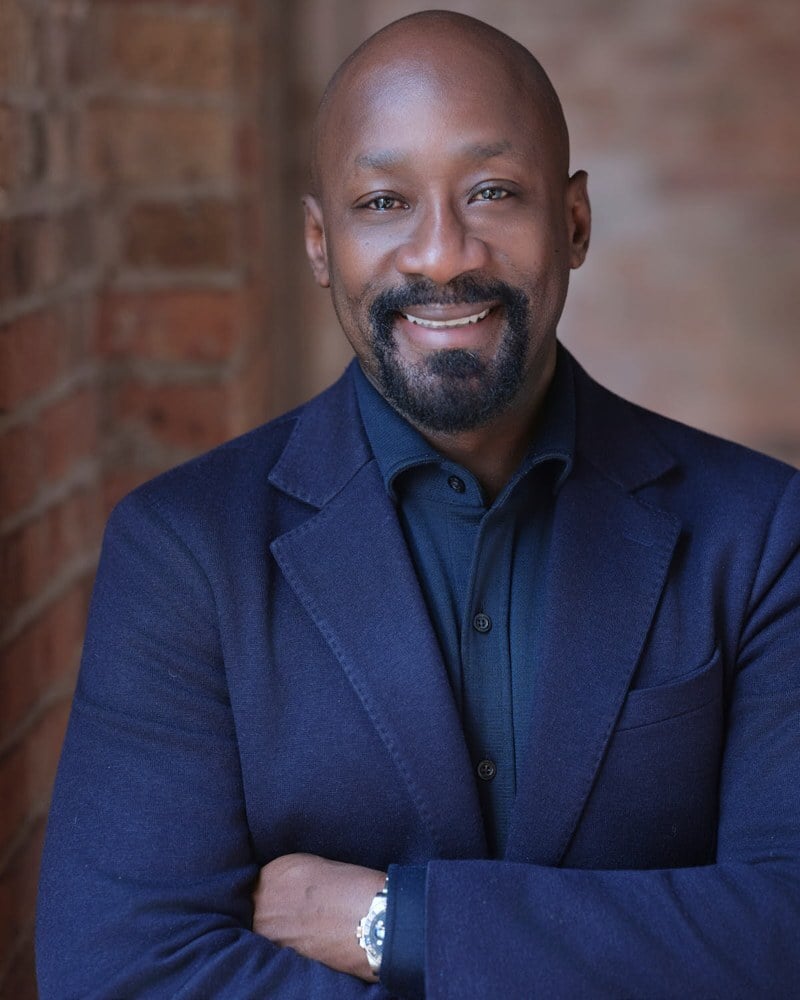

Founder & CEO, Fitila Labs (creator of Curasynth)
Curasynth is an AI-native therapeutics intelligence platform that transforms fragmented biomedical knowledge into actionable, evidence-grounded decisions for drug discovery and development.
Combining a comprehensive biomedical knowledge graph with autonomous scientific AI agents and computational models, Curasynth enables researchers to investigate disease biology, identify and prioritize therapeutic targets, evaluate drug candidates, and explore clinical evidence. Rather than simply searching and summarizing scientific literature, its agents execute multistep investigations, synthesize evidence across modalities, quantify uncertainty, and identify critical knowledge gaps and experiments that could resolve them.
The live platform integrates more than 7.25 million full-text scientific publications, 600,000 clinical trials, and extensive molecular, genetic, clinical, and safety datasets. Its capabilities span target validation, drug–target interaction modeling, clinical efficacy analysis, pharmacovigilance, and autonomous discovery campaigns, with transparent evidence provenance and reproducible computational workflows.
Available as a hosted platform or deployable within an organization's own infrastructure, Curasynth empowers pharmaceutical, biotechnology, and research teams to move from scientific questions to defensible therapeutic decisions with greater speed, rigor, and confidence.
Babajide (Jide) Kolade is a scientist, engineer, and deep-tech entrepreneur with more than 25 years of experience developing advanced computational technologies to solve complex scientific and industrial challenges. He is the founder of Fitila Labs, an AI and computational science company building intelligent platforms that integrate scientific knowledge, computational models, and autonomous AI agents to accelerate research and decision-making.
His work spans artificial intelligence, computational modeling, scientific software, and high-performance computing, drawing on research and technology leadership experience at the Gas Technology Institute and ConocoPhillips. Through Curasynth, he is applying this multidisciplinary expertise to one of science's most consequential challenges: accelerating the discovery and development of better therapeutics.
Jide holds a Ph.D. and M.S. in Mechanical Engineering from Stanford University, is a licensed Professional Engineer, a U.S. Department of Energy SBIR awardee, and the immediate past chair of ASME's VVUQ 70 subcommittee on AI and machine-learning model credibility.
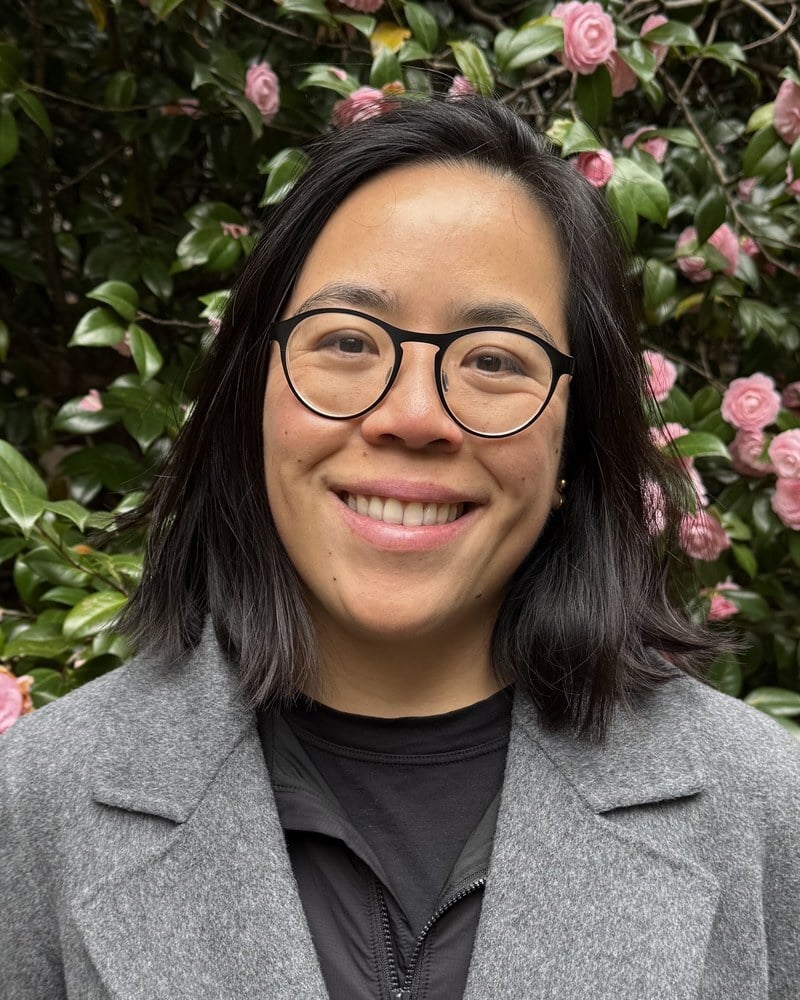
 E9
E9
Founder & CEO, E9
E9 builds AI systems for high-stakes scientific decision-making in drug discovery and development. Its flagship platform, Urchin, is a scientific reasoning system that helps biopharma teams systematically explore complex scientific questions and therapeutic opportunity spaces to uncover promising possibilities that conventional approaches may overlook.
Urchin coordinates specialized AI agents to investigate hundreds of hypotheses in depth, reasoning across scientific, clinical, commercial, competitive, and proprietary evidence. It produces inspectable reasoning that scientists can review, challenge, and extend, combining machine-scale exploration with human scientific judgment.
Urchin supports decisions across drug discovery and development, from biological hypothesis generation and translational strategy to indication selection, asset repositioning, and portfolio prioritization. By enabling teams to explore broadly without sacrificing depth, Urchin helps scientists see beyond the obvious and commit with greater confidence to opportunities that can shape years of research and millions of dollars in investment.
Grace Tiao is the Founder and CEO of E9 and a computational biologist with deep experience building scientific infrastructure at scale. Before founding E9, she spent a decade at the Broad Institute, where she was a core architect of the Genome Aggregation Database (gnomAD), one of the world’s most widely used resources for interpreting human genetic variation.
Her work at the Broad shaped her conviction that scientific progress depends not only on generating more data, but on developing better ways to connect evidence, explore possibilities, and make consequential decisions. She founded E9 to build AI systems that extend the reach of human scientific judgment in drug discovery and development. She is a Rhodes Scholar and holds a degree in mathematics and statistics from the University of Oxford and an undergraduate degree from Harvard University.
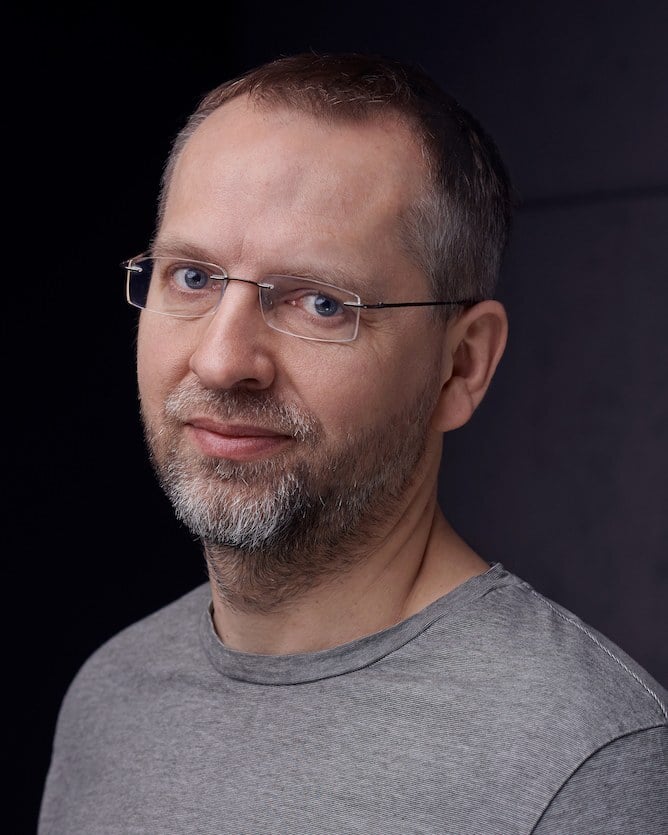

Co-founder & CTO, Ingenix.ai
At Ingenix we believe the only path to transforming the pharma industry leads through improving clinical success, which requires a deeper comprehension of biology. Ingenix was founded on a single question: what it would take for AI to truly understand biology. Our long-term objective is to move from mere correlations in biological data towards explaining biological mechanisms and discovering new biology. Sofinnova-backed and founded by AI industry veterans with a nine-figure exit behind them, the company employs 35 scientists across AI and computational biology, from the inventors of TILT (one of the models GPT-4 was benchmarked against) to the creator of Insilico Medicine's PandaOmics and former Recursion and Inceptive researchers.
Adam Dancewicz is the Co-Founder and CTO of Ingenix.ai, where he leads the development of the Biological Reasoning Engine—an advanced AI platform designed to understand human biology across multiple modalities and biological scales. His work focuses on multimodal foundation models, biological reasoning, and AI-driven approaches to solving complex challenges in drug discovery, translational research, and clinical development. Previously, Adam co-founded Applica, an AI company acquired by Snowflake, where he led the development of pioneering multimodal AI technologies.
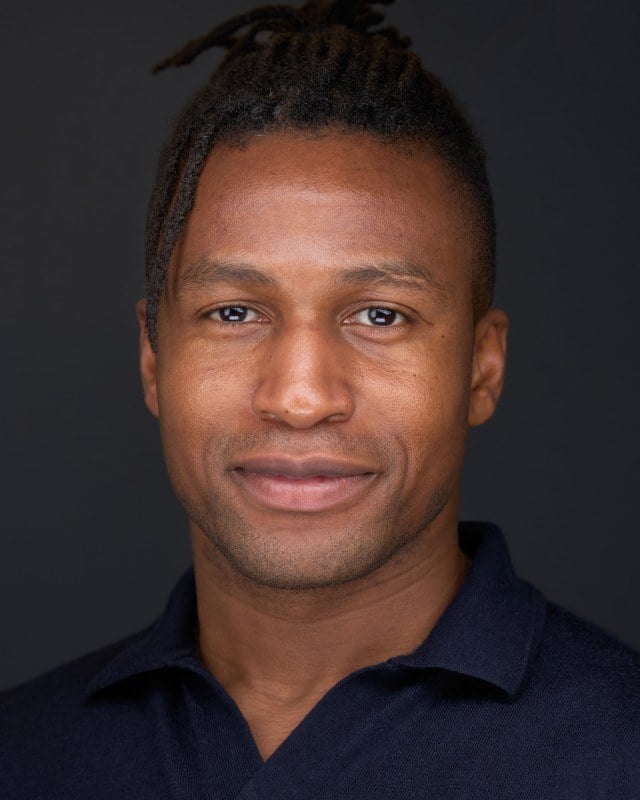

Co-founder & CEO, Reach Industries
Founded in 2019 by Silas Adekunle (CEO) and Chris Beck (CTO) and based in Bristol, UK, Reach Industries is building the visual intelligence layer for science. The founders have spent over a decade building together at the frontier of robotics, AI, and product innovation.
Lumi pairs LabEye, an AI-empowered laboratory camera that captures a comprehensive view of experiments and manufacturing processes, with a cloud platform that automates data capture, insight, and compliance. By recording experiments and material usage hands-free, Lumi creates a reliable, searchable record of lab work, accelerating research while strengthening compliance.
Reach Industries is building the visual intelligence layer for science today and a model for how humans and AI can work together across industries tomorrow.
Silas Adekunle is co-founder and CEO of Reach Industries, the company behind Lumi. Most AI in drug development works on data. Lumi works on the physical lab work that produces it. Cameras over each bench record every run, and AI trained on the lab's own SOPs flags any step that drifts from the documented procedure. A missed step gets caught before it becomes a failed batch, an investigation, or a result nobody can reproduce. Lumi is in use today in genomics and pharmaceutical labs in the US and UK. It gives QC, CMC, and applied R&D teams a reviewable record of every run and more throughput without new capital equipment or changes to validated methods.
A roboticist by training, Silas founded Reach Robotics, whose MekaMon robot was sold exclusively through Apple in the US and UK. He holds a first-class degree and an honorary Doctor of Technology from the University of the West of England, and was named to Forbes 30 Under 30 Europe.
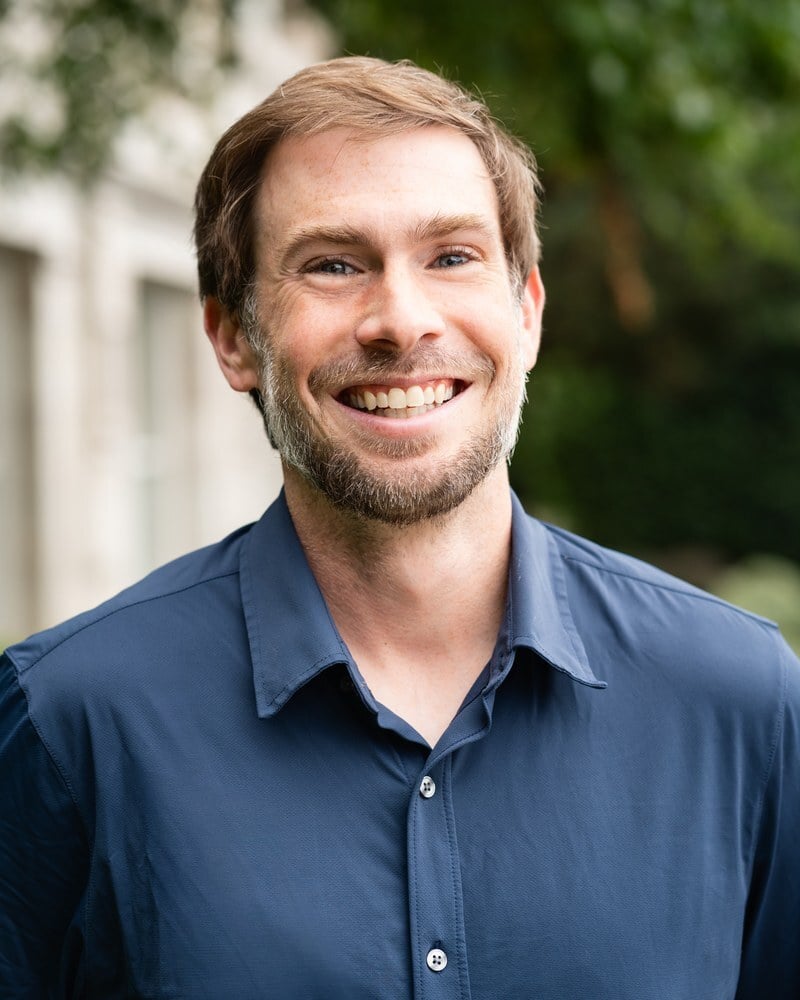

Co-founder & CEO, Talus Bio
Talus Bio enables AI-native drug discovery for the disordered proteome. Powered by proprietary data captured inside living human cells at scale, the company's flagship AI model, Ptarmigan, opens access to the roughly 40% of the human proteome long considered inaccessible to traditional structure-based methods. Their lab-in-the-loop workflow discovers and optimizes small molecules against the field's most pressing therapeutic targets, including transcription factors and other hard-to-drug proteins central to human disease. With the world's most comprehensive quantitative protein vs. small molecule dataset and a multidisciplinary team spanning high-throughput proteomics and machine learning, Talus Bio is expanding the boundaries of what’s druggable across the entire human proteome.
Alex Federation, Ph.D. is the co-founder and CEO of Talus Bio. He has worked on the undruggable problem for nearly twenty years, since a first-week lecture in graduate school at Harvard argued that the proteins driving most disease were beyond the reach of chemistry. Alex invented the MARMOT platform, the first way to measure unstructured protein dynamics in native human cells, during his postdoctoral fellowship at the Altius Institute for Biomedical Research in Seattle where he trained in computational epigenomics and cancer biology with John Stamatoyannopoulos and Fyodor Urnov. He co-founded Talus Bio with Lindsay Pino in 2020 to commercialise it, and MARMOT now generates the training data behind Ptarmigan-1, the first structure-free model for small molecule discovery.
)


